Corporate Intelligence Agents for Multinational Due Diligence
Continuous monitoring of third-party risk beats periodic reviews with sampling gaps and blind spots.

Corporate intelligence agents change multinational due diligence when they take on whole workflows. Their value lies in replacing sampled, periodic reviews with continuous, cross-document coverage. That shift can remove the hand-off failures and timing gaps built into conventional programmes, but only when reliable data, operational ownership, governance and measurement support the deployment.
Why multinational due diligence is structurally prone to blind spots
A large European bank failed to surface an eighteen-month regulatory investigation against a critical technology vendor. The information was publicly available in regulatory filings and corporate disclosures, but the bank’s vendor management process never surfaced it. The relationship subsequently had to be unwound at considerable operational cost. The failure was in a process that could not connect available evidence to an active commercial relationship.
A counterparty assessed as low-risk in January may undergo a leadership change, regulatory investigation, data breach or covenant breach by October, without any change appearing in its risk record before the next scheduled review. The disclosing party interprets its position through legal and commercial incentives, which can lead it to minimise early financial distress, outstanding inquiries or adverse filings. More frequent questionnaires do not remove that dependence.
Analyst teams under time and resource pressure sample only 40 to 60 percent of data-room documents, leaving potentially material evidence in unopened files. Keyword searches cannot find the links between documents that this sampling misses. Meanwhile, the compliance floor is rising. DORA distinguishes continuous oversight of critical ICT third-party service providers from risk-based monitoring of other providers, but its requirements make a purely periodic view of third-party dependencies increasingly inadequate. Multinational diligence therefore requires coverage across documents, sources and time.
What changes when an agent owns the workflow rather than assists with tasks
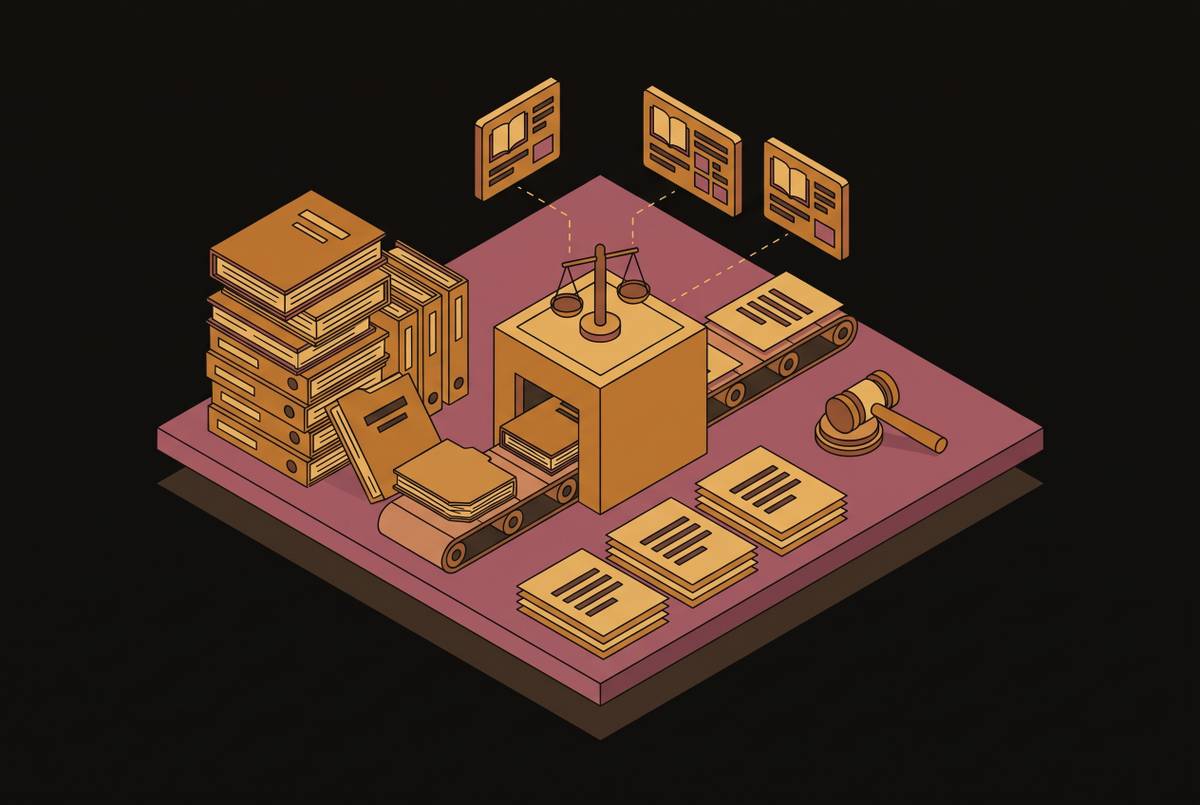
Workflow ownership transfers the routine sequence of diligence from a chain of human hand-offs to an orchestrated process. An agent ingests documents through secure connectors to virtual data rooms, CRMs, ERP systems and public registries. It classifies those documents, extracts entities, obligations and financial figures, and cross-validates the results against sanctions lists, registries and other external sources. It then flags inconsistencies and produces structured, cited reports. Routine progression no longer depends on an analyst initiating every step.
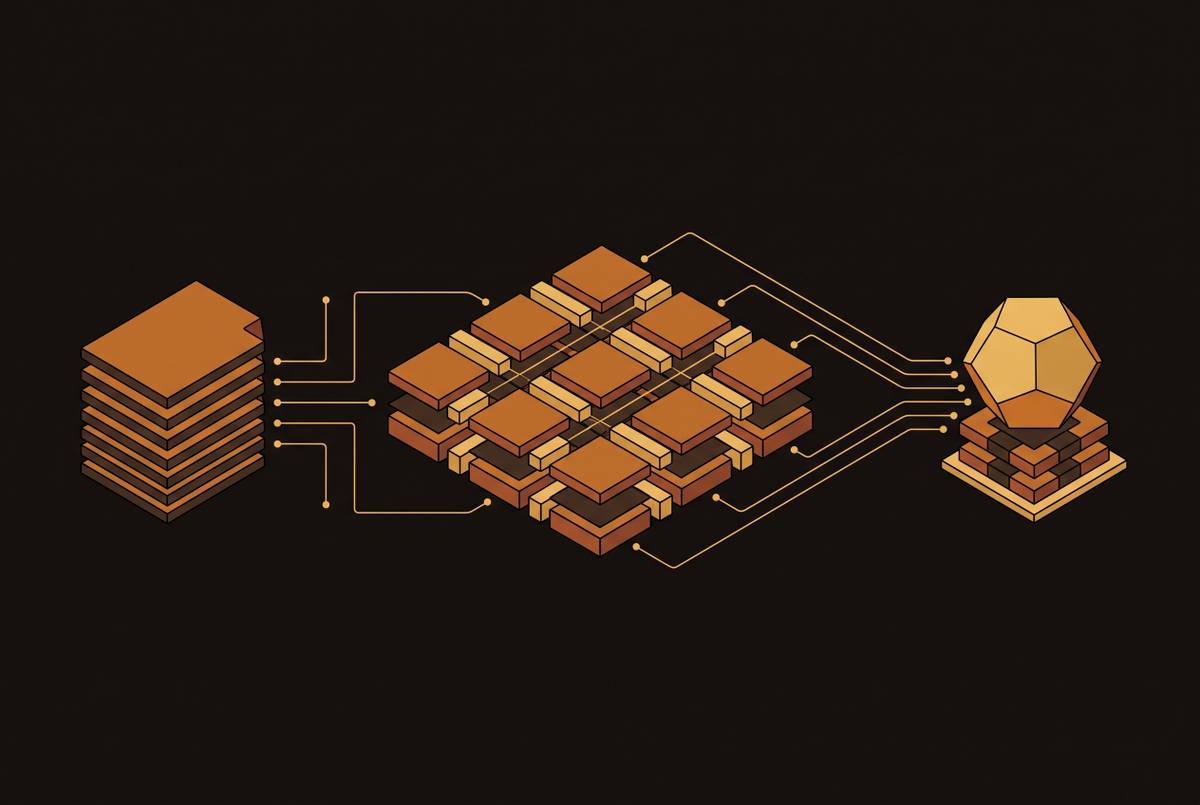
Shared context makes this more than automated lookup. Specialised legal, financial and compliance agents can operate in parallel while passing relevant findings between workstreams. A legal agent identifying a change-of-control clause in an executive contract can prompt a financial agent to compare it with the capitalisation table and cash flow models. That comparison checks for unaccrued liabilities that a contract review in isolation might miss.
The architecture requires more than a conversational interface. A tool-calling framework queries live sanctions lists, corporate registries and financial databases, while an orchestration layer delegates subtasks and routes escalations. A human-in-the-loop interface sends high-risk findings to analysts while routine steps go ahead without waiting for approval. An audit trail engine records inputs, outputs and reasoning steps for compliance documentation. In multinational diligence, this setup can monitor adverse media across hundreds of sources in many languages, track regulatory developments and screen subsidiaries and counterparties in the same way, all at the same time. Human review remains, but it concentrates on findings that require judgement.
The six risk domains a complete multinational diligence workflow must cover
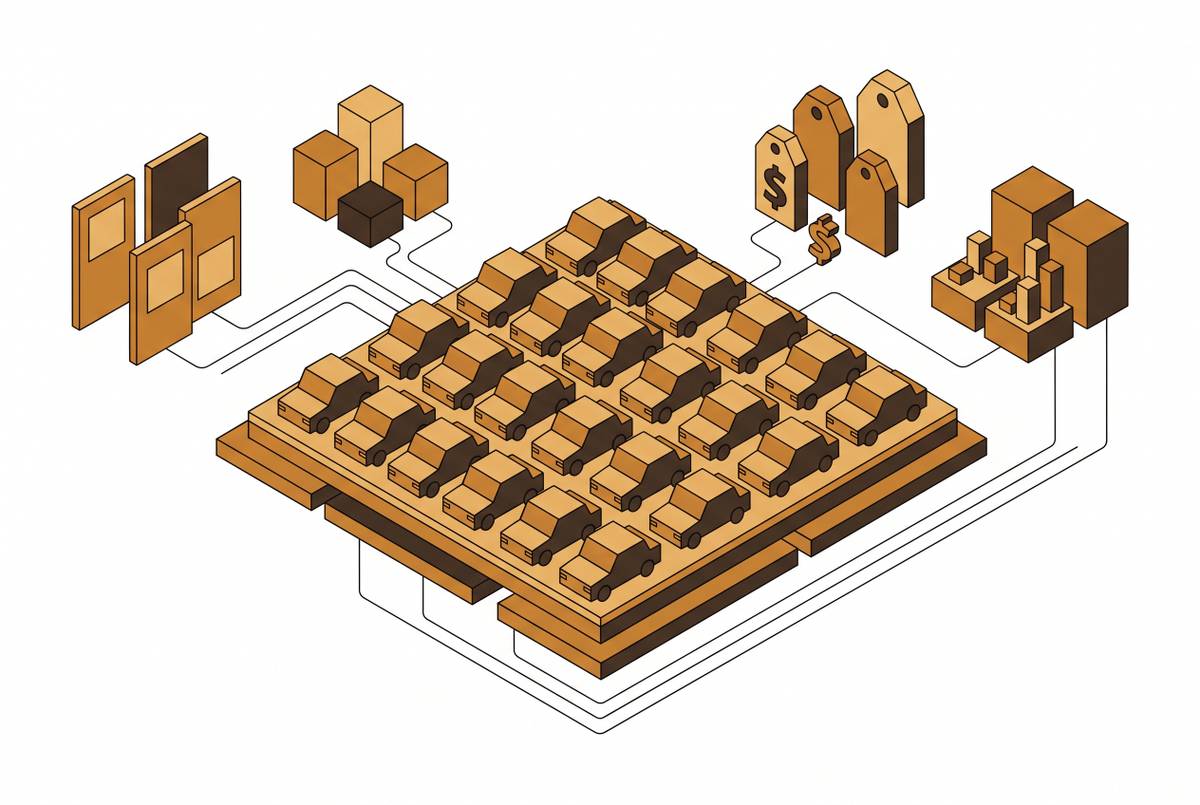
Complete coverage begins with six distinct risk domains. These are financial health and solvency, cybersecurity posture, regulatory and compliance standing, operational resilience, adverse media and reputational signals, and corporate structure and ownership. Each can reveal a material risk that the others do not show. A programme that examines only financial and legal documents cannot treat the remaining domains as implicitly covered. Cross-document reasoning has value only when the underlying workflow reaches the relevant evidence.
Financial health concerns trajectory. AI-driven financial monitoring can detect distress signals weeks or months before they appear in formal disclosures, making it relevant to potential operational disruption. Cybersecurity posture remains a separate assessment, because a favourable financial position does not establish the absence of cyber exposure. Corporate structure and ownership also need their own checks against registry and ownership information.
Regulatory and compliance work draws on litigation histories, court records, legal databases and filings from different jurisdictions. It also seeks outstanding investigations that questionnaires may understate. Adverse media and reputational monitoring keeps track of what outside sources report, including geopolitical signals that periodic reviews can miss. That was the missing connection in the European bank case. A public disclosure has no protective value if the workflow never brings it into the risk record.
Checks on operational resilience also cover ESG and supply-chain exposure. In multinational supply networks, agents can map rare earths and conflict minerals from Tier 1 to Tier N, screen for forced labor against watchlists such as the UFLPA Entity List, and recalculate tariff exposure when country-of-origin codes or rates change. These activities require parallel attention to different sources and dependencies. Their significance is not confined to onboarding. A complete workflow maintains coverage throughout the relationship lifecycle, when changes in suppliers, ownership or regulatory standing can alter an earlier assessment.
Where agents demonstrably outperform manual processes in M&A and PE diligence
PE firms that use AI-assisted document parsing report a large drop in the hours spent on manual diligence. Agent-led review can check the full document corpus using the same criteria for every file, instead of checking only the share that analysts have time to read. This removes the sampling gap within the ingested corpus.
The speed advantage can also change transaction outcomes. In competitive auctions, a bidder that completes diligence first can win on better terms, making cycle time a deal variable. The same criteria can also be used across documents, subsidiaries and jurisdictions to keep the analysis consistent. This gives analysts a shared review standard in place of their individual approaches, while people still judge what high-risk findings mean.
Market entrants illustrate the commercial pressure behind that shift. A seed-stage firm founded by a former Blackstone principal and a former BCG principal who led commercial due diligence for private equity clients offers AI-powered commercial diligence at a fraction of traditional advisory costs. Those conventional engagements take multiple weeks to complete. Production-grade workflow ownership depends on whether ingestion, cross-validation, escalation and reporting function as one operational sequence.
Why most enterprise agent deployments stall before they reach this level of operation
A substantial majority of enterprises have agent pilots, but only a small minority have reached production scale. The bottleneck is primarily organisational and operational. A pilot may demonstrate a useful task without establishing the conditions for dependable workflow execution. In production, those needs must be met at every step. A successful demonstration therefore does not establish that a multinational diligence process is ready to run autonomously.
Data readiness is the most consistently cited blocker. Fragmented, unstructured or inaccessible information prevents agents from reliably ingesting registry data, financial filings and adverse media feeds. Operational ownership is a separate constraint. Organisations that scale without a dedicated workflow owner are more likely to experience incidents requiring rollback, because sponsorship alone does not provide responsibility for day-to-day operation.
Weak oversight of autonomous actions adds to these problems. The EU AI Act imposes requirements for human oversight, transparency and auditability on high-risk systems, including specified financial and legal uses. These rules require governance to be built into the deployment from the start, before the stage of writing up what was done. Procurement presents a related problem through “agent washing”. Chatbots and RPA systems rebranded as agents may assist tasks without owning the workflow at all. Buyers can repeat their original diligence failure if they take a vendor’s word for what its agent can do without checking how it works on its own.
How to assess whether a diligence workflow is ready for agent deployment
The practical response is a readiness assessment before the build begins. Organisations should assess the proposed workflow across business case, data, security, governance, operations and measurement. Passing only the technical parts is insufficient. A workflow that lacks a business case or accountable operation is not production-ready, however capable its model. These six domains make the assessment a deployment decision rather than a demonstration of AI performance.
The use-case audit should test three specific properties. The workflow must be high volume, recurring frequently enough to justify the build, and rule-demonstrable, with most cases following a defined pattern. It must also be measurable against a clear pre-deployment baseline. These tests distinguish an attractive demonstration from a viable operational use case. They also establish what the deployment is expected to change before implementation choices obscure the original objective.
Data readiness then becomes a concrete gate. Before the pilot begins, the assessment should map every outside source the agent needs, including corporate registries, sanctions lists and adverse media feeds, and check that it can reliably ingest data from them. The platform itself also requires diligence. Model provenance, licensing terms and governance maturity should be first-order workstreams, subject to the same rigour applied to the counterparties being assessed. A tool used to evaluate risk cannot be exempt from that evaluation.
An AI Operations Audit provides the structured mechanism for this work. Conducted before the build, it maps existing processes against the six readiness domains and identifies gaps that would cause production deployment to fail. Its output is a remediation plan tied to measurable outcomes. That sequence gives the organisation a basis for addressing weaknesses before committing to implementation. It also replaces the abandoned pilot as a method of discovering what the workflow needed from the outset.
How to measure and report the ROI of a deployed diligence agent
The organisation must start measuring before the agent goes live. A sound baseline records the current process’s cycle time, document coverage rate, analyst hours per transaction and risk findings per review. Reconstructing those figures afterwards weakens the comparison. Login rates and usage statistics cannot substitute for them, because adoption does not establish operational value. CFOs and audit committees need evidence of changes in cycle time, error rates, coverage completeness and risk-miss rates.
A defensible ROI model also needs multiple dimensions. Time saved and cost reduction capture efficiency, while coverage and consistency of criteria application capture quality. Deal velocity in competitive auctions shows how speed affects revenue. Risk reduction comes from material findings that manual review missed, and the losses avoided may exceed the value of the labour saved. A cost-only claim leaves that central benefit outside the investment case.
The reporting format should make those dimensions visible for each completed review cycle. It should show document coverage against the baseline, cycle time reduction and the number of findings routed to human review that the prior process would not have surfaced. It should also show the jurisdictional compliance status of the review log. These are operational results rather than engagement measures. These results give the board and regulators evidence to review, while speed alone does not prove that diligence has improved.
Risk reduction remains the hardest dimension to value. The framework therefore needs a methodology for valuing avoided losses while distinguishing documented findings from claims about what might have happened. Surfacing an eighteen-month investigation before contract renewal has a different value from completing the same questionnaire more quickly. In that case, the decisive evidence is whether continuous coverage brought the public finding into the risk record and routed it for review. That is how measurement can demonstrate removal of the specific process gap that failed the bank, rather than merely a lower probability of repeating it.